David Mann, born in Kansas City, Missouri, in 1940, is considered one of the most influential artists in the world of biker and chopper culture. His works not only capture the image of the motorcyclist, but also celebrate the rebellious spirit and freedom of the road. As a self-taught artist who rose to fame through the American custom motorcycle scene, Mann has created an aesthetic identity with his illustrations and paintings that is inextricably linked to the biker lifestyle.
Artistic visions
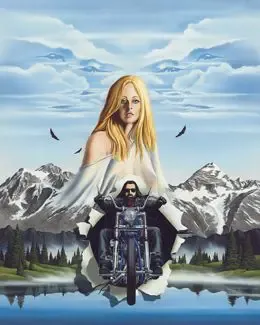
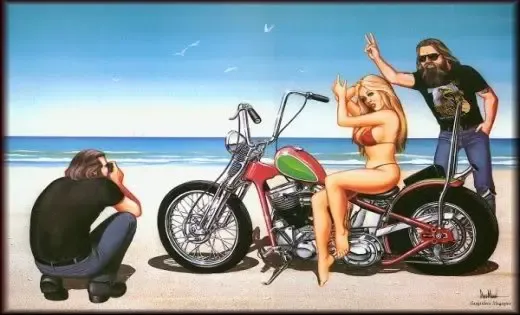
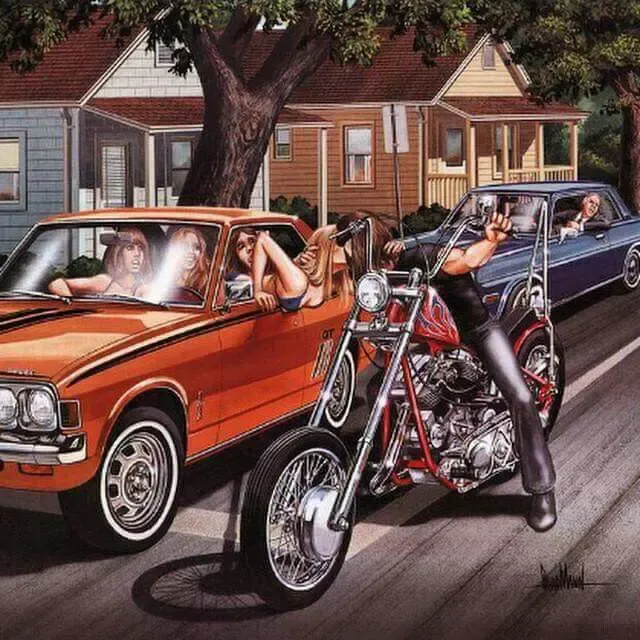
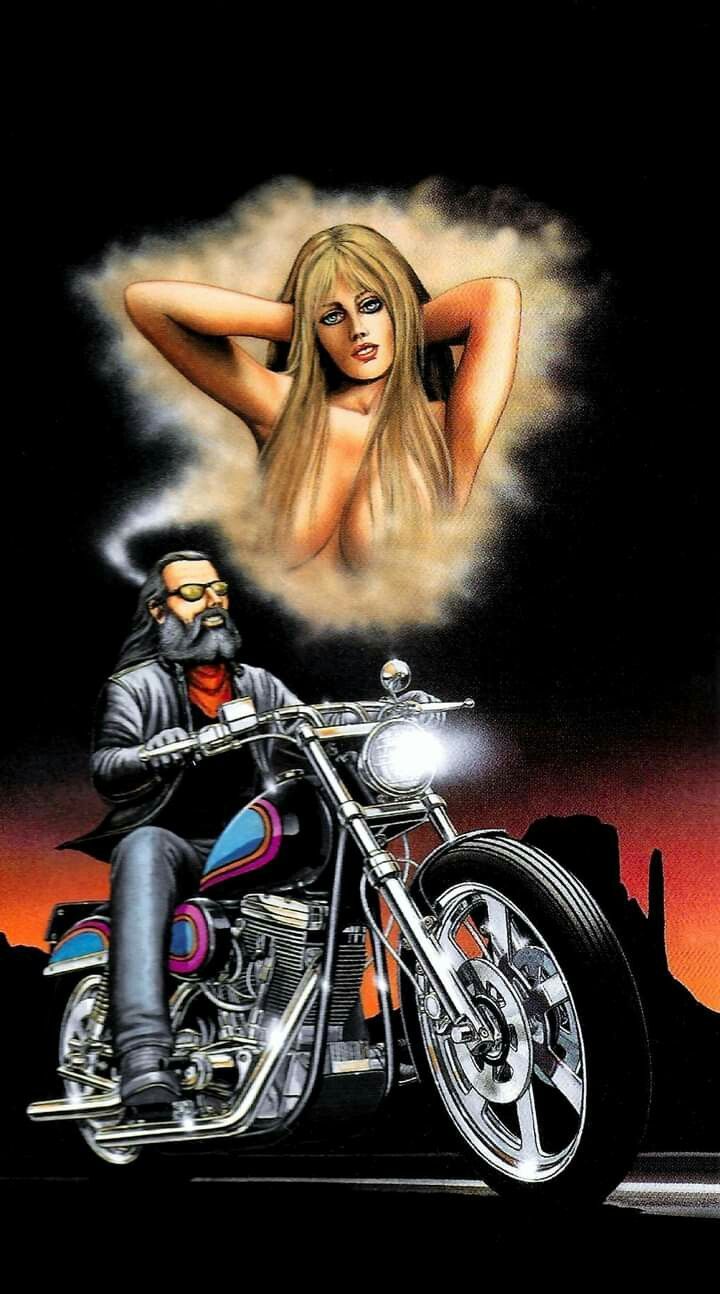
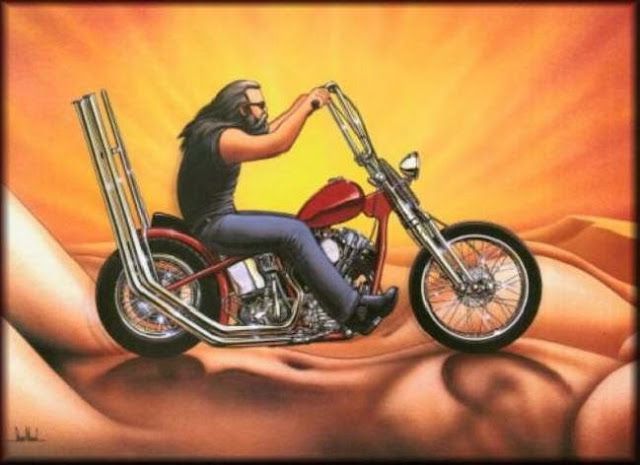
One of the main motifs in his paintings is the endless road winding through barren desert landscapes or wide, open fields. These roads symbolize freedom, self-determination, and life in motion. In his paintings, the machines and the riders are one, united by a shared desire for independence and a life far removed from convention. The "chopper," a motorcycle customized according to individual ideas, often becomes a symbol of individualism and craftsmanship in Mann's art.
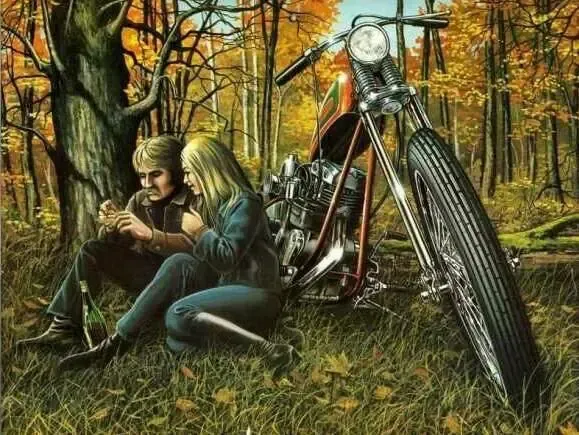
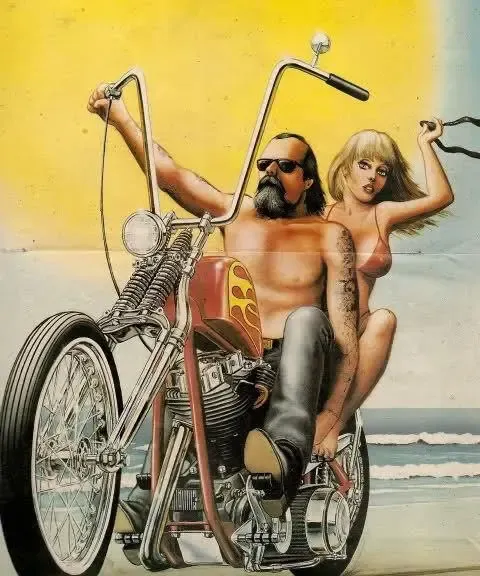
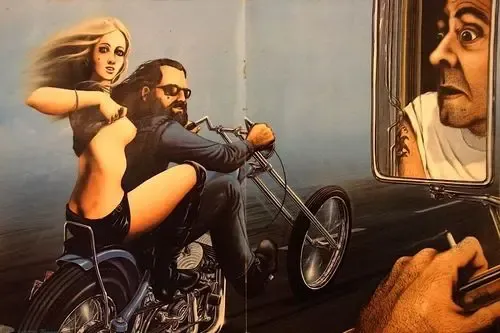
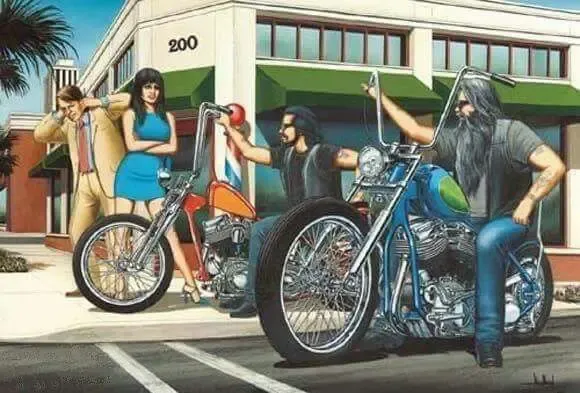
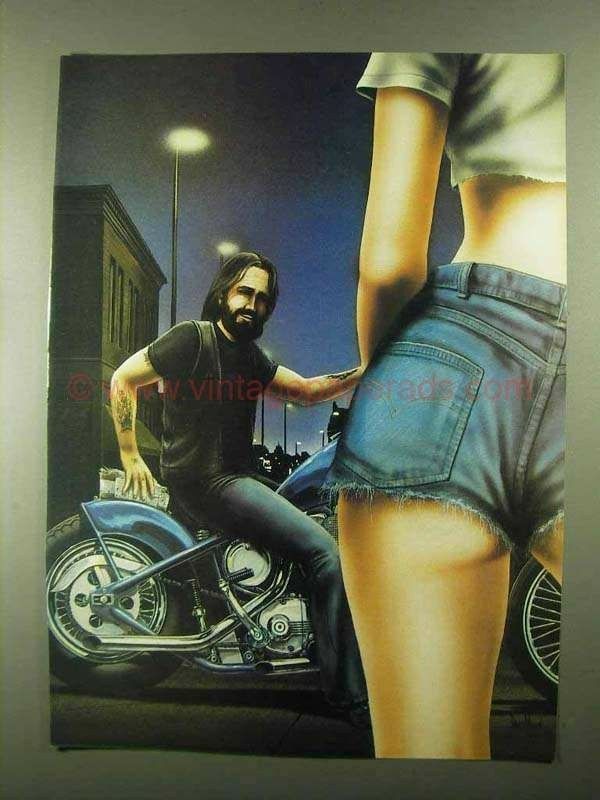
His works are characterized by a love of detail: the chrome parts of the motorcycles gleam in the sun, the riders' leather jackets and beards are finely crafted, and every element of the images fits seamlessly into his vision of the biker world. The colors are often warm and intense, and the play of light in his paintings contributes to the mystical atmosphere he wanted to create in his works.
Mann's art is more than just the depiction of motorcycles. It is a romantic, almost mythical reflection on freedom, individuality, and escaping the constraints of everyday life. He saw the biker world as an alternative universe in which people who lived outside social norms went their own way. This vision permeated his work and was the driving force behind his artistic activity.
Drive and influence
David Mann was deeply rooted in the biker scene and lived the life he painted. In 1965, he moved to California, where the biker subculture was flourishing, and became part of this vibrant community. Here he found not only inspiration for his art, but also the community and freedom he was seeking. His close connection to the people he portrayed gave his works an authenticity that resonated deeply with fans and motorcyclists alike.
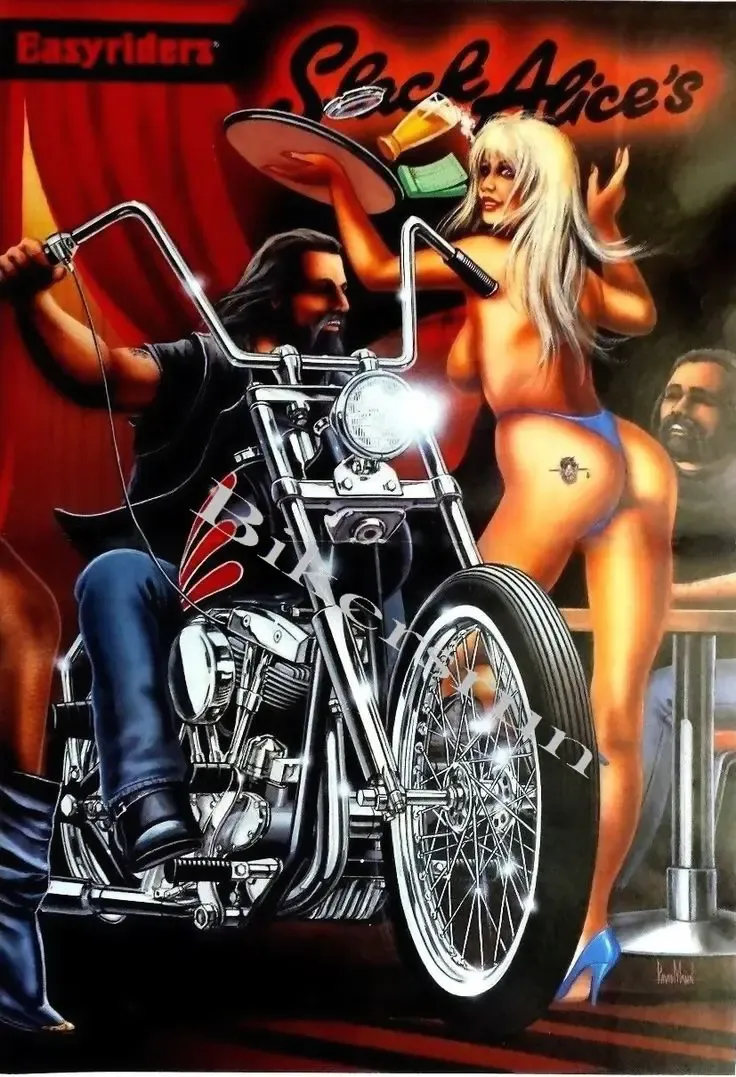
Mann joined the "chopper" movement, which was characterized by handcrafted, radically modified motorcycles. These machines were not only a means of transportation, but also a means of expression that corresponded to the urge for freedom and creativity. His illustrations for Easyriders magazine, in which his work appeared regularly from the 1970s onwards, made him famous beyond the biker scene. His illustrations shaped the magazine and became the artistic backbone of a subculture that identified with his images for decades.
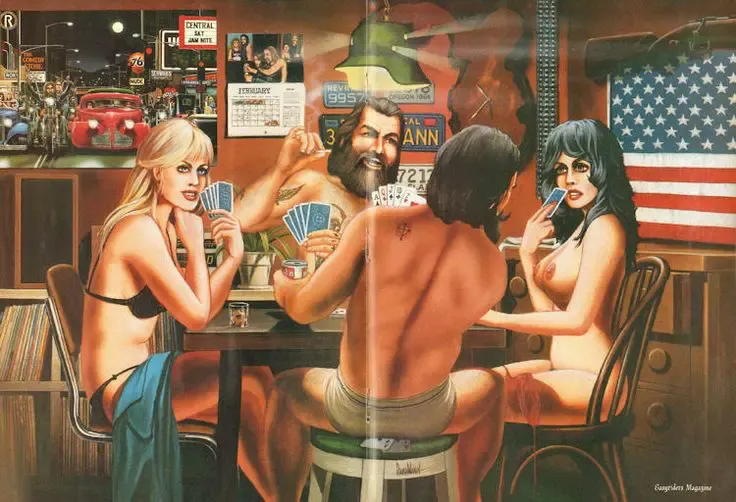
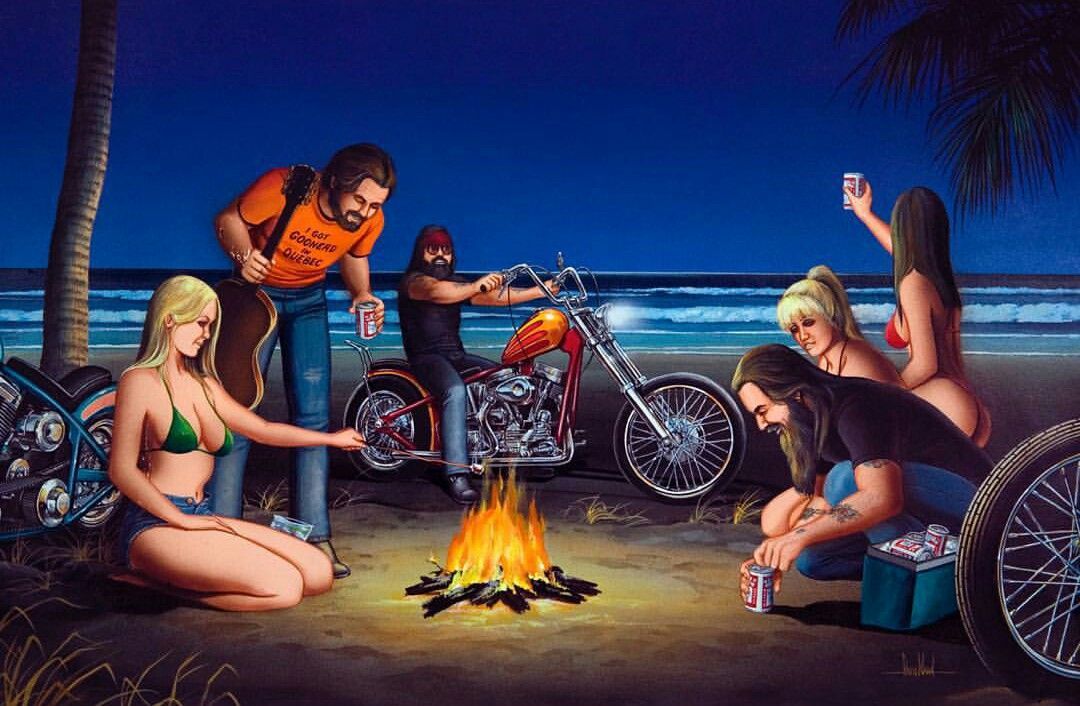
A central theme in Mann's work is also the brotherhood of bikers. Many of his works depict not only lonely roads, but also groups of riders traveling together—united in their love for their machines and their free lifestyle. This solidarity, this unwritten law of loyalty among bikers, is an important element of his work. It is not just about the individual and his machine, but about a community of like-minded people who feel connected in their otherness.
Legacy and influence on biker culture
David Mann has left a lasting mark on the biker and chopper scene with his art. His works are not just pieces of art, but visual representations of a way of life characterized by freedom, adventure, and rebellion. For many bikers, his images have become icons that perfectly capture the spirit of their movement.
What sets Mann apart is his tireless drive to portray the essence of biker life in all its wildness and beauty. His artistic vision was to capture on canvas the feeling of boundless freedom that riding a motorcycle conveys. He depicted the landscapes, the machines, and the people with an intensity that goes far beyond simple representation.
David Mann died in 2004, but his art lives on in biker subculture. Today, his paintings can be found not only in magazines and galleries, but also on tattoos, murals, and in the workshops of those who love and admire his work. He has become a symbol of the untamed, independent spirit that defines biker culture. His images remain timeless testimonies to a vision of freedom that continues to inspire generations of motorcyclists and free spirits.


This article was written with the help of AI.
Who was the painter David Mann?
David Mann, born in 1940 in Kansas City, Missouri, is considered one of the most influential artists in the world of biker and chopper culture. His works not only capture the image of the motorcyclist, but also celebrate the rebellious spirit and freedom of the road. A self-taught artist who rose to fame through the American custom motorcycle scene, Mann's illustrations and paintings have created an aesthetic identity that is inextricably linked to the biker lifestyle.
Artistic visions
Mann's art is more than just the depiction of motorcycles. It is a romantic, almost mythical reflection on freedom, individuality, and the escape from the constraints of everyday life. He saw the biker world as an alternative universe in which people who moved outside social norms went their own way. This vision permeated his work and was the driving force behind his artistic activity.
One of the main motifs in his paintings is the endless road that winds its way through barren desert landscapes or wide, open fields. These roads symbolize freedom, self-determination, and life in motion. In his pictures, the machines and the riders are one, united by the common pursuit of independence and a life far removed from convention. In Mann's art, the "chopper," a motorcycle rebuilt according to individual ideas, often becomes a symbol of individualism and handcrafted creativity.
His works are characterized by a love of detail: the chrome parts of the motorcycles gleam under the sun, the riders' leather jackets and beards are finely crafted, and every element of the pictures fits seamlessly into his vision of the biker world. The colors are often warm and intense, and the play of light in his paintings contributes to the mystical atmosphere he wanted to create in his works.
Drive and influence
David Mann was deeply rooted in the biker scene and lived the life he painted. In 1965, he moved to California, where the biker subculture flourished and he became part of this vibrant community. Here he not only found inspiration for his art, but also the community and freedom he was looking for. His close connection to the people he portrayed lent his works an authenticity that resonated with fans and motorcyclists alike.
Mann joined the "chopper" movement, which was characterized by hand-built, radically modified motorcycles. These machines were not just a means of transportation, but a means of expression that corresponded to the urge for freedom and creativity. His illustrations for the magazine "Easyriders," in which his work appeared regularly from the 1970s onwards, made him famous beyond the biker scene. His illustrations shaped the magazine and became the artistic backbone of a subculture that identified with his images for decades.
A central theme in Mann's work is also the brotherhood of bikers. Many of his works depict not only lonely roads, but also groups of riders on the road together – united in their love of their machines and the free lifestyle. This solidarity, this unwritten law of loyalty among bikers, is an important element of his works. It's not just about the individual and their machine, but about a community of like-minded people who feel united in their differences.
Legacy and influence on biker culture
David Mann's art has left a lasting impact on the biker and chopper scene. His works are not just works of art, but visual manifestations of a way of life characterized by freedom, adventure, and rebellion. For many bikers, his pictures have become icons that perfectly capture the spirit of their movement.
What particularly sets Mann apart is his relentless drive to portray the essence of biker life in all its wildness and beauty. His artistic vision was to capture on canvas the feeling of boundless freedom that riding a motorcycle conveys. He portrayed the landscapes, the machines, and the people with an intensity that goes far beyond simple depiction.
David Mann passed away in 2004, but his art lives on in biker subculture. Today, his paintings can be found not only in magazines and galleries, but also on tattoos, murals, and in the workshops of those who love and revere his work. He has become a symbol of the untamed, independent spirit that defines biker culture. His images remain timeless testaments to a vision of freedom that continues to inspire generations of motorcyclists and free spirits.