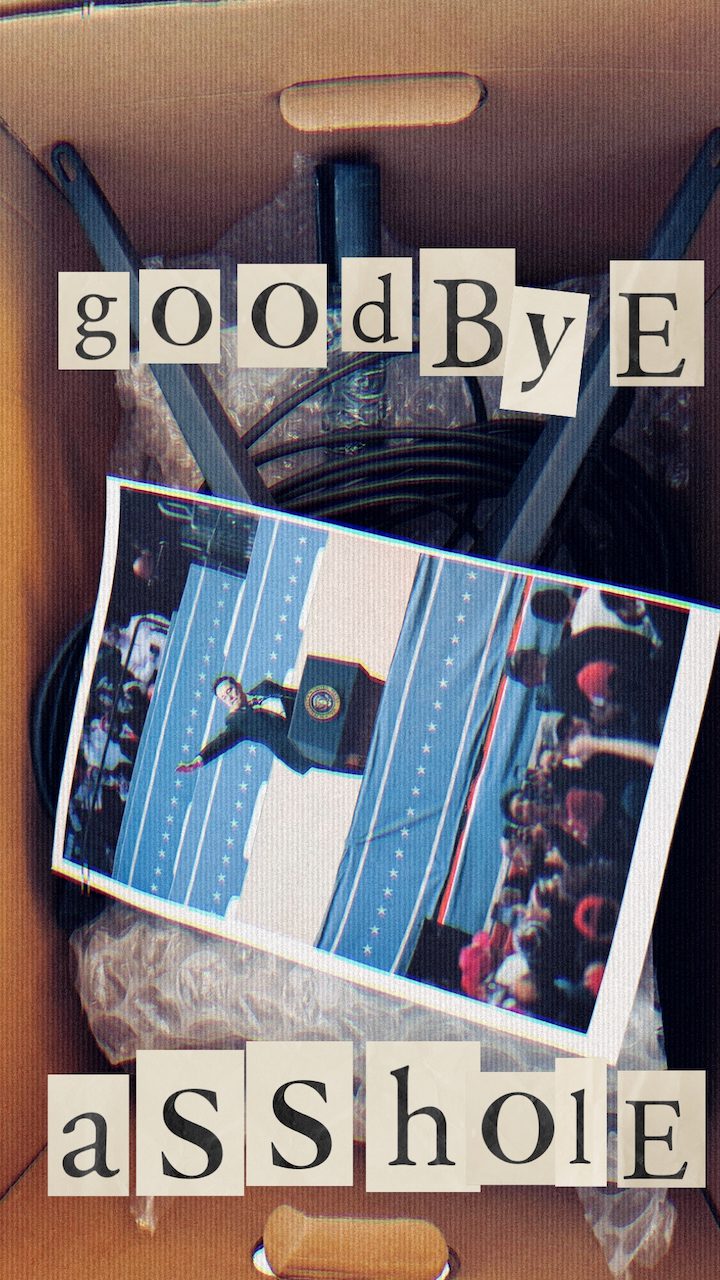
Enough is enough. Admittedly, Starlink is a fantastic product: it works quickly and easily. But after it became increasingly clear what kind of person Elon Musk is, he lost all credibility with me. Even his provocative, stoned appearance on television couldn't change that.
I couldn't stand the Starlink in my garden anymore, so I had no choice but to dismantle it and pack it into a box with a meaningful picture. Bye-bye, asshole.
Finding an alternative to Starlink wasn't easy. I had to significantly lower my expectations, but I finally got a Sky DSL connection up and running. It's not nearly as fast, but it's also much cheaper.
After I sent Starlink back to its owner, I felt much better. I began to wonder whether boycotts are a contemporary method of encouraging companies to act ethically or sustainably and of refusing to cooperate with states or organizations.
The term "boycott" goes back toCharles Cunningham Boycott, an English estate manager in 19th-century Ireland. After a conflict with tenants, he was completely shunned by the local population—no one worked for him anymore, no one traded with him. This first successful boycott gave all others their name.
In the Western world, where there is an abundance of products and several manufacturers offer similar goods, a boycott by consumers can exert considerable pressure on the manufacturer concerned.
For example, it is advisable to leave the music service Spotify and switch to a provider that gives artists a larger share of the revenue (https://boycottspotify.univer.se). Spotify is now one of the most expensive music streaming services, and there are various tools available that allow you to transfer your own playlists. It takes very little effort to make a statement, and in many cases you'll also save some money. What are you waiting for?